CENTRE FOR PEACE, OSIJEK PRESENTS HUMMUS RECIPE AS A PART OF THEIR CREATIVE TOOL - „COOKING LESSONS“
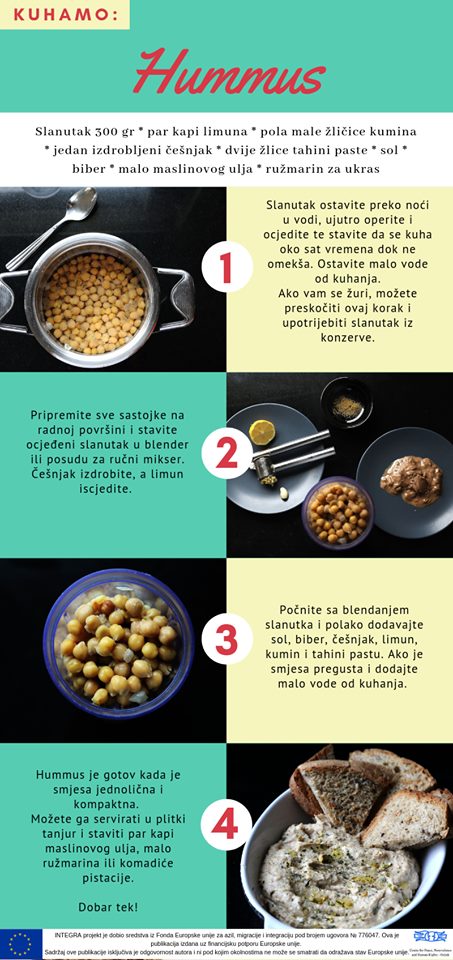
As a part of the creative tool in the framework of the INTEGRA project, Centre for Peace, nonviolence and human rights publishes foreign recipes. The online publications puts the culinary added-value of foreigners under the spotlight, and aims at better migrant integration by celebrating diversity.
On 13th of June Centre for Peace presented a hummus recipe. Hummus is a Levantine dip or spread made from cooked, mashed chickpeas or other beans, blended with tahini, olive oil, lemon juice, salt, and garlic. It is popular in the Middle East and Mediterranean, as well as in Middle Eastern cuisine around the globe. It can also be found in most grocery stores in North America and Europe.
One of the oldest mentions, and hints at where it is from is found in a Medieval cookbook called “Kita Wasf al-Atima al-Mutada”. Translated from Arabic, this means “The Description of Familiar Food” The recipe in this cookbook varies a bit from modern recipes – it contains no garlic or lemon, and also includes vinegar. Another cookbook from the 13th century (Kitāb al-Wusla ilā l-habīb) has a recipe that includes chickpeas and lemons, but no tahini or garlic.

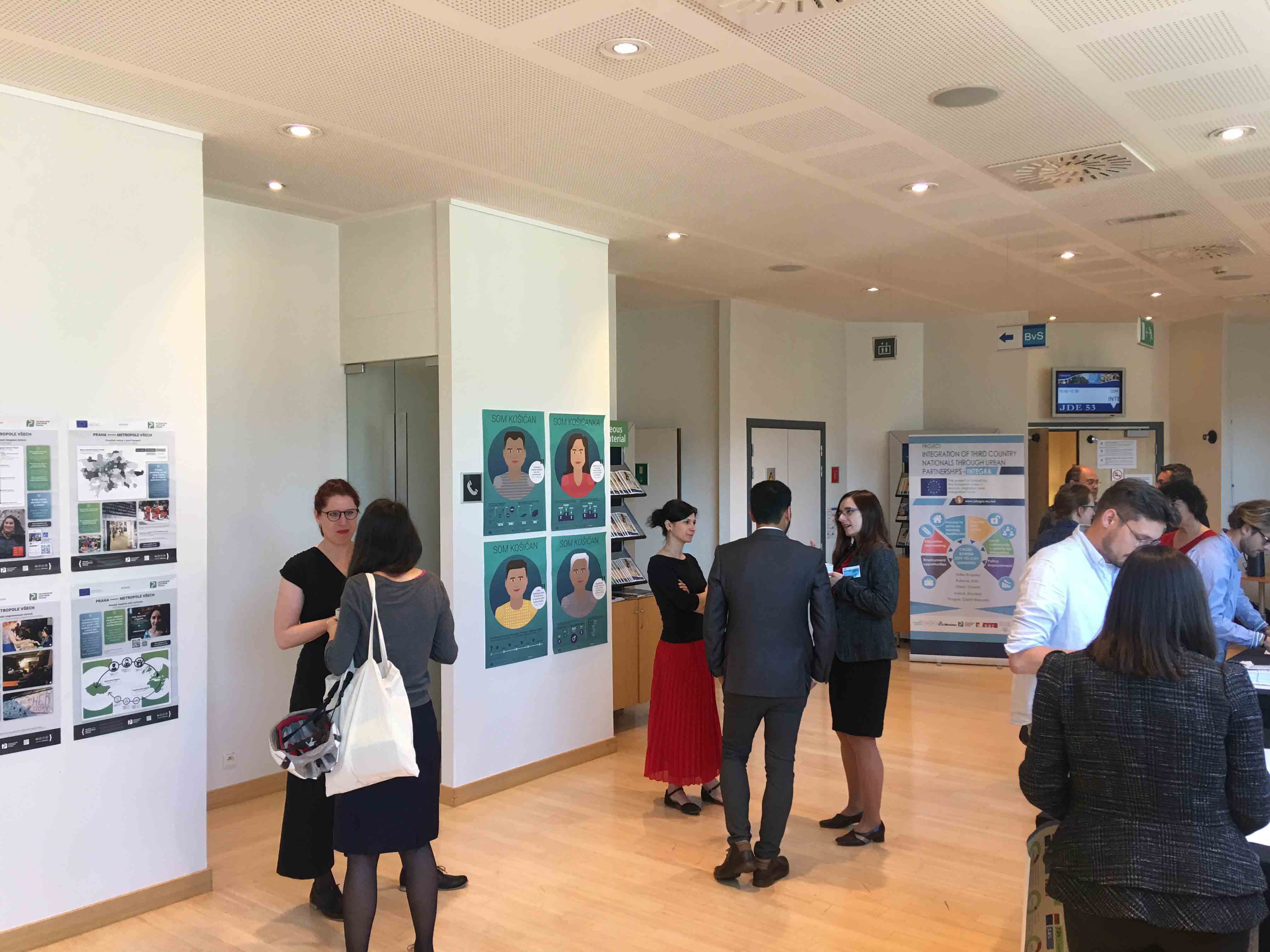
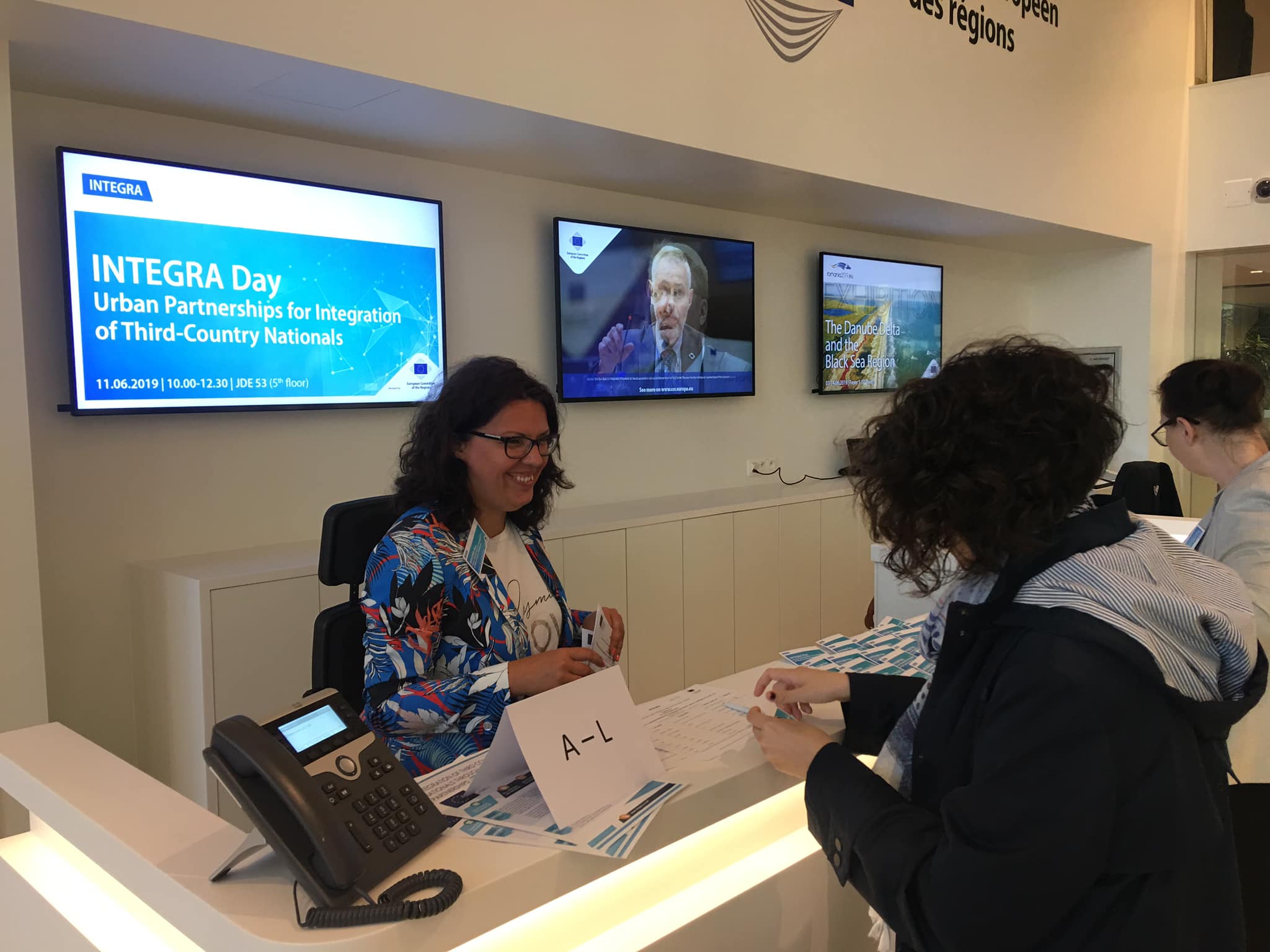
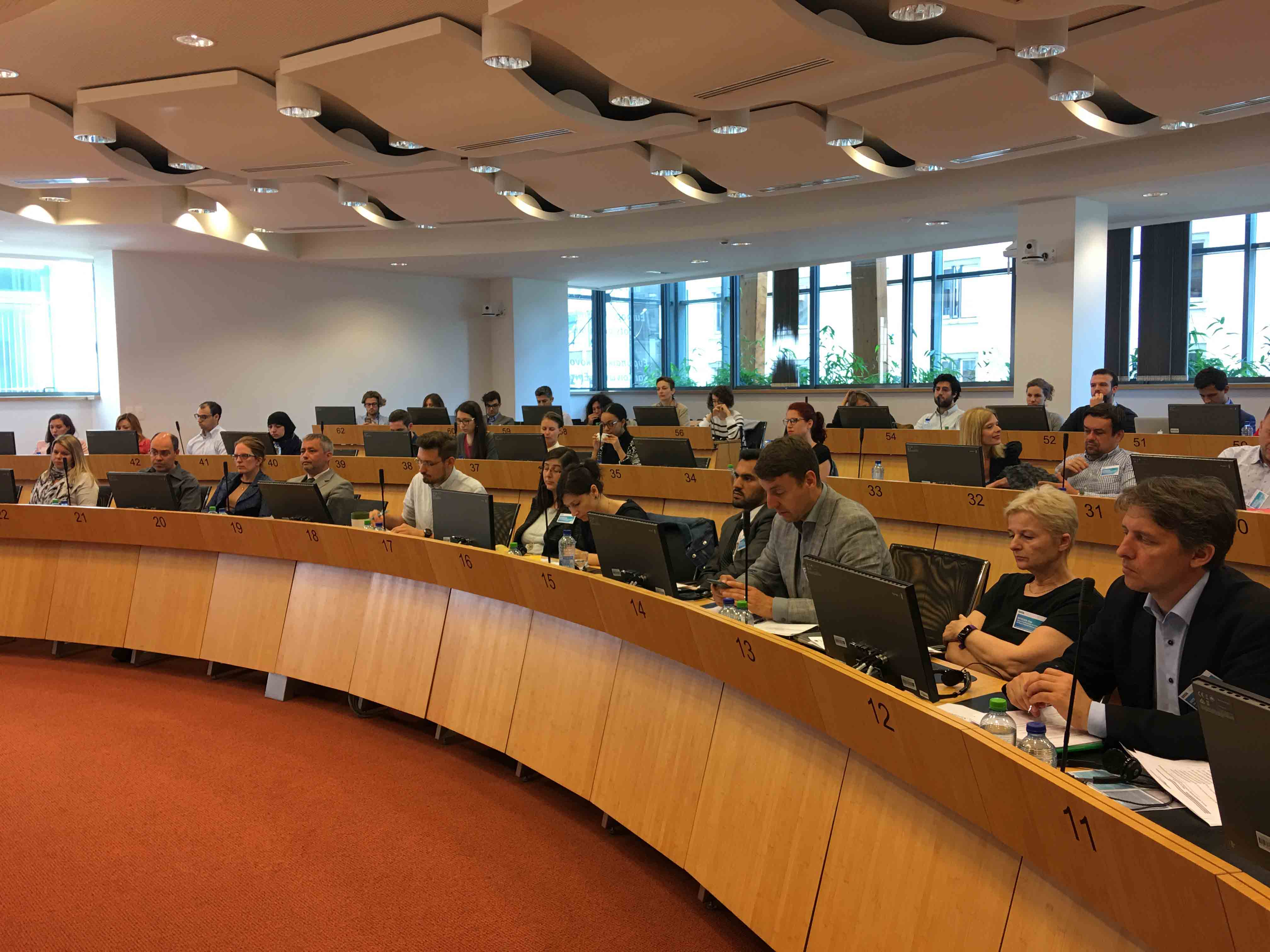
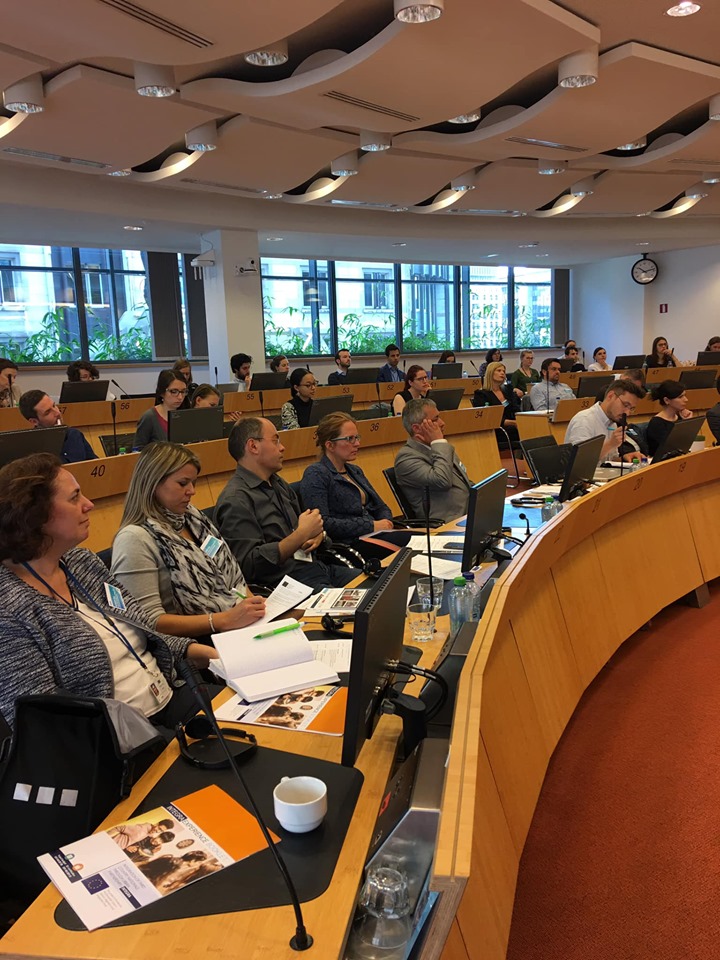
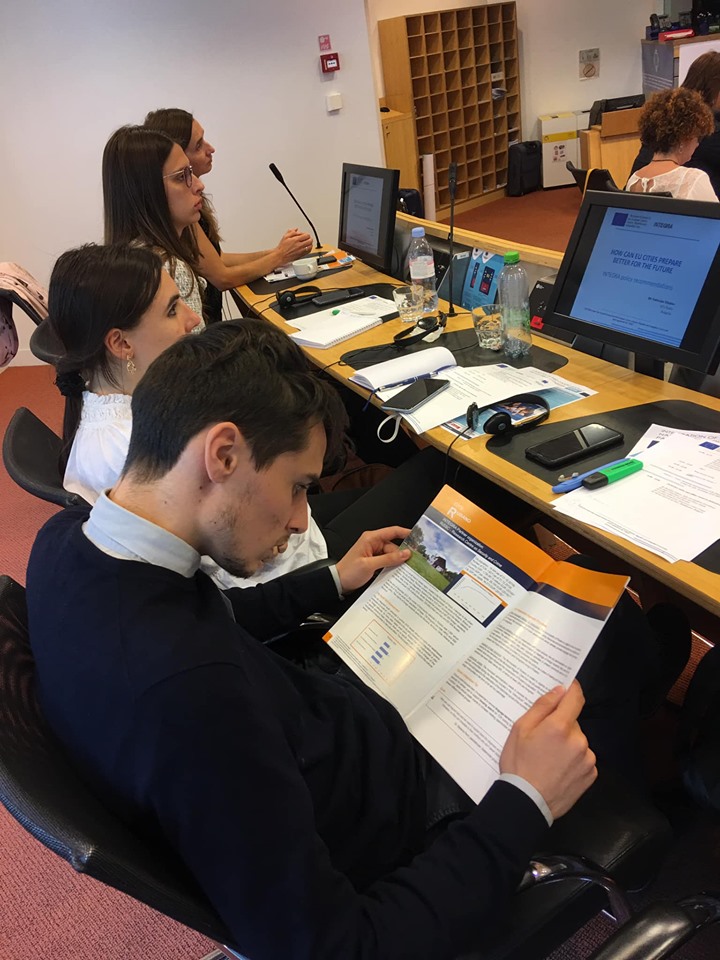
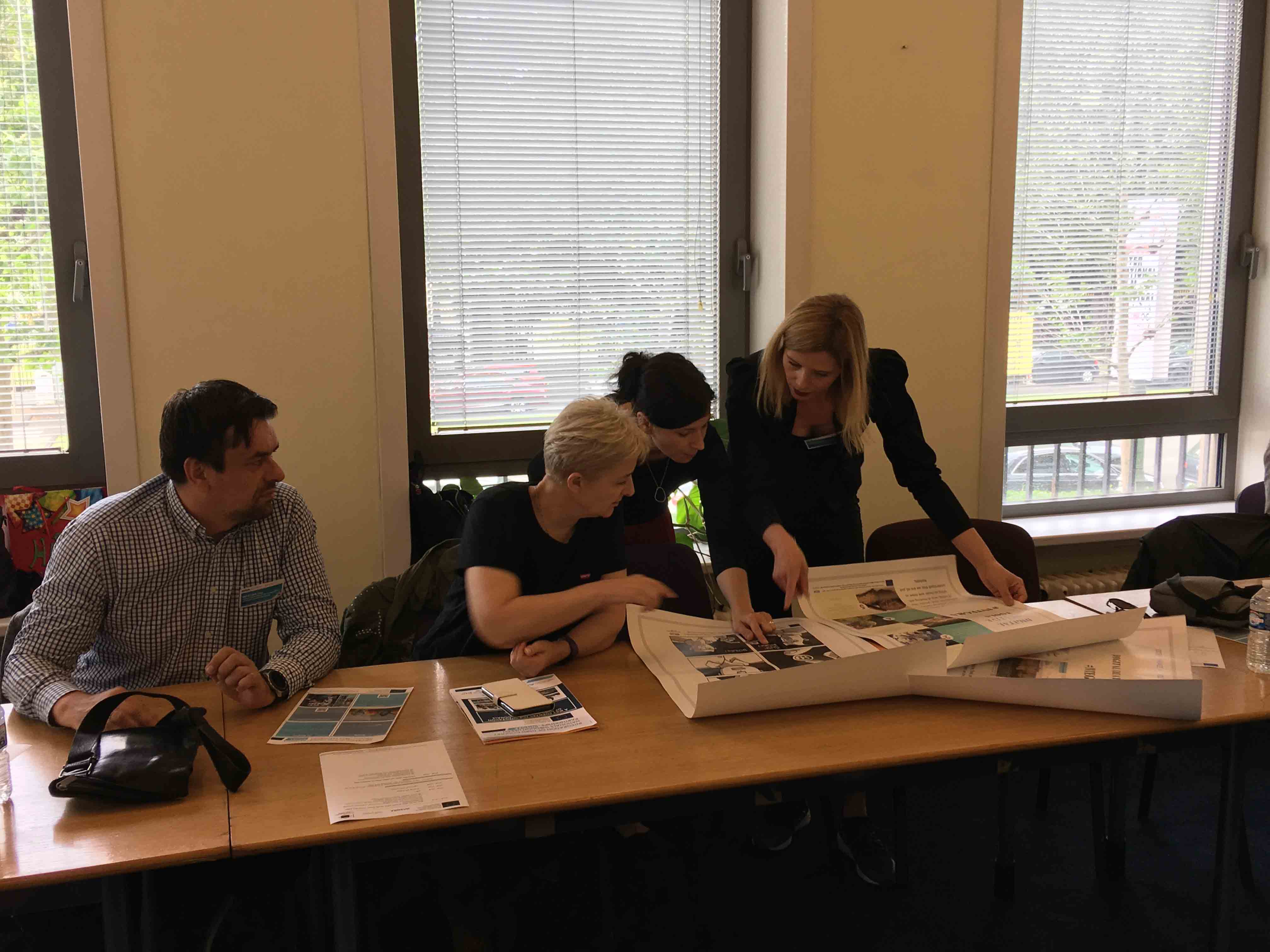
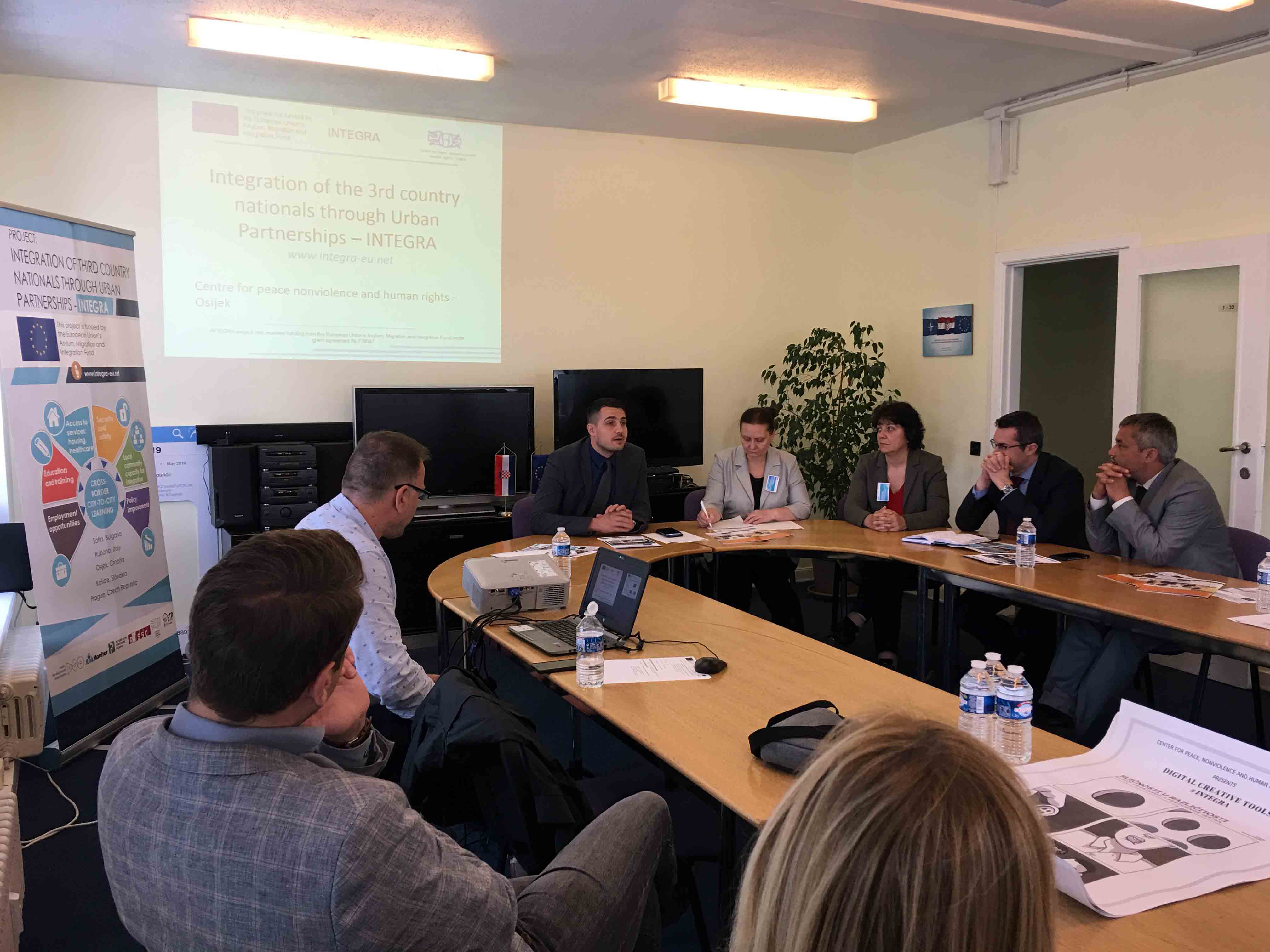
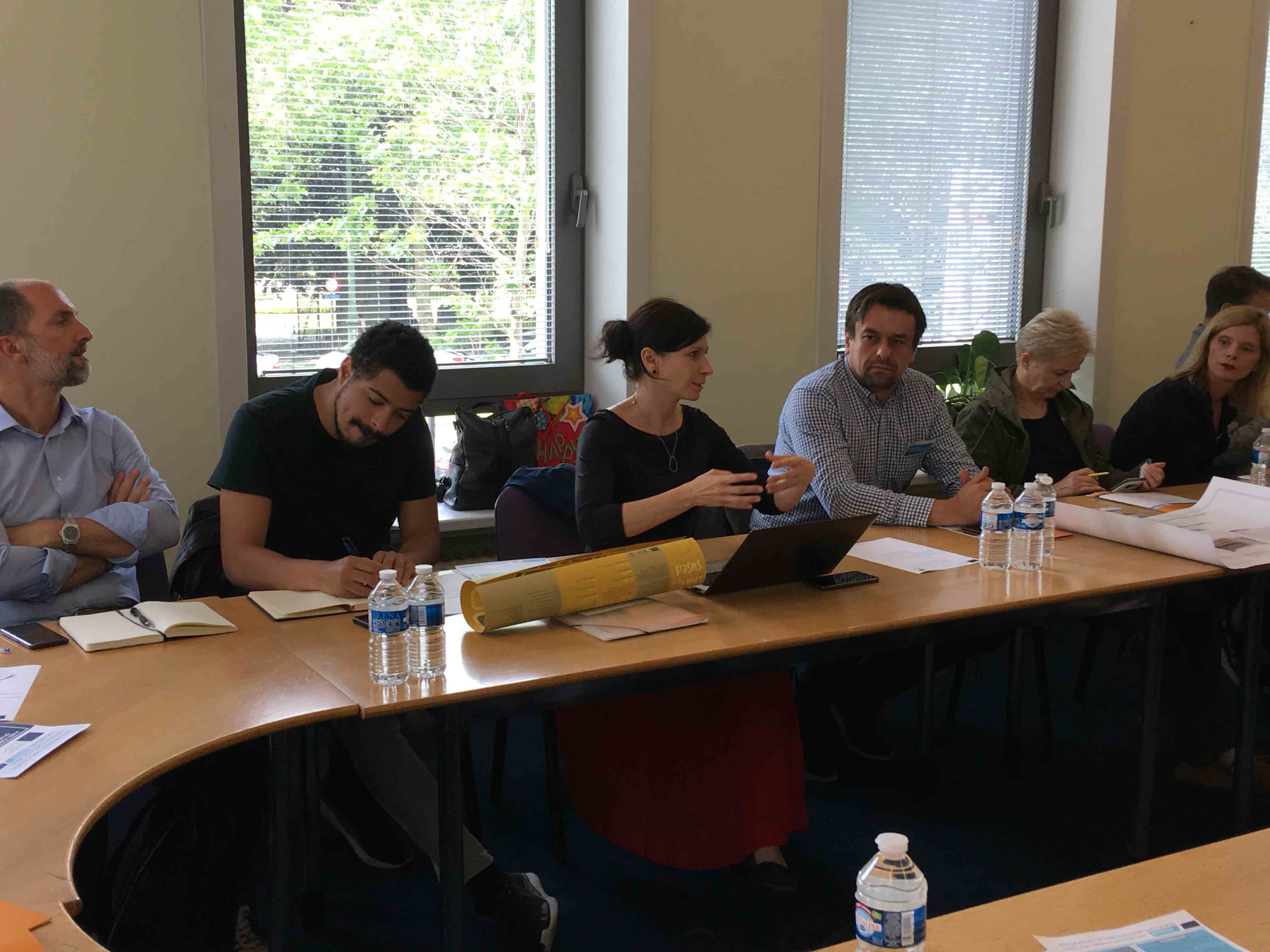
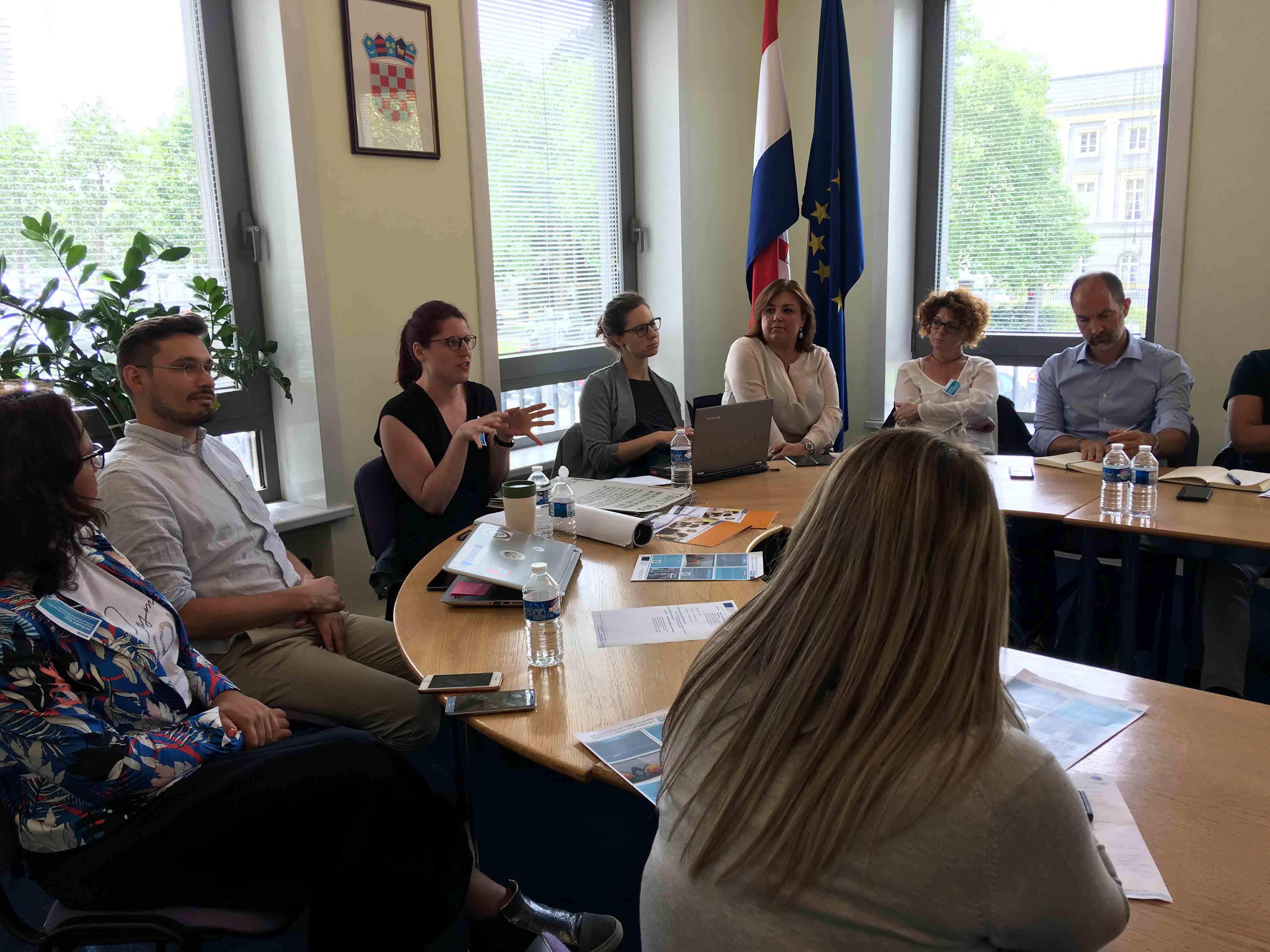
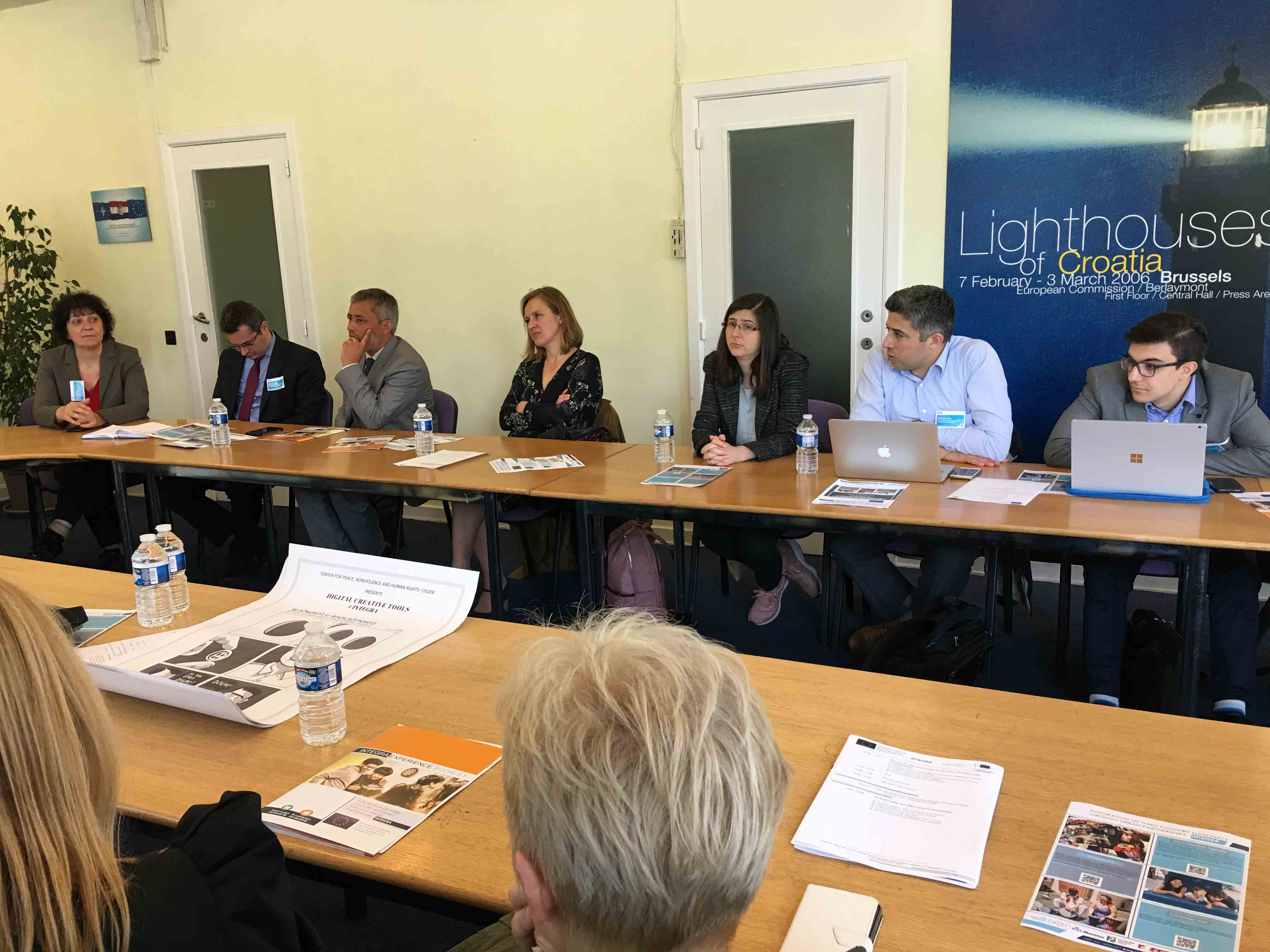
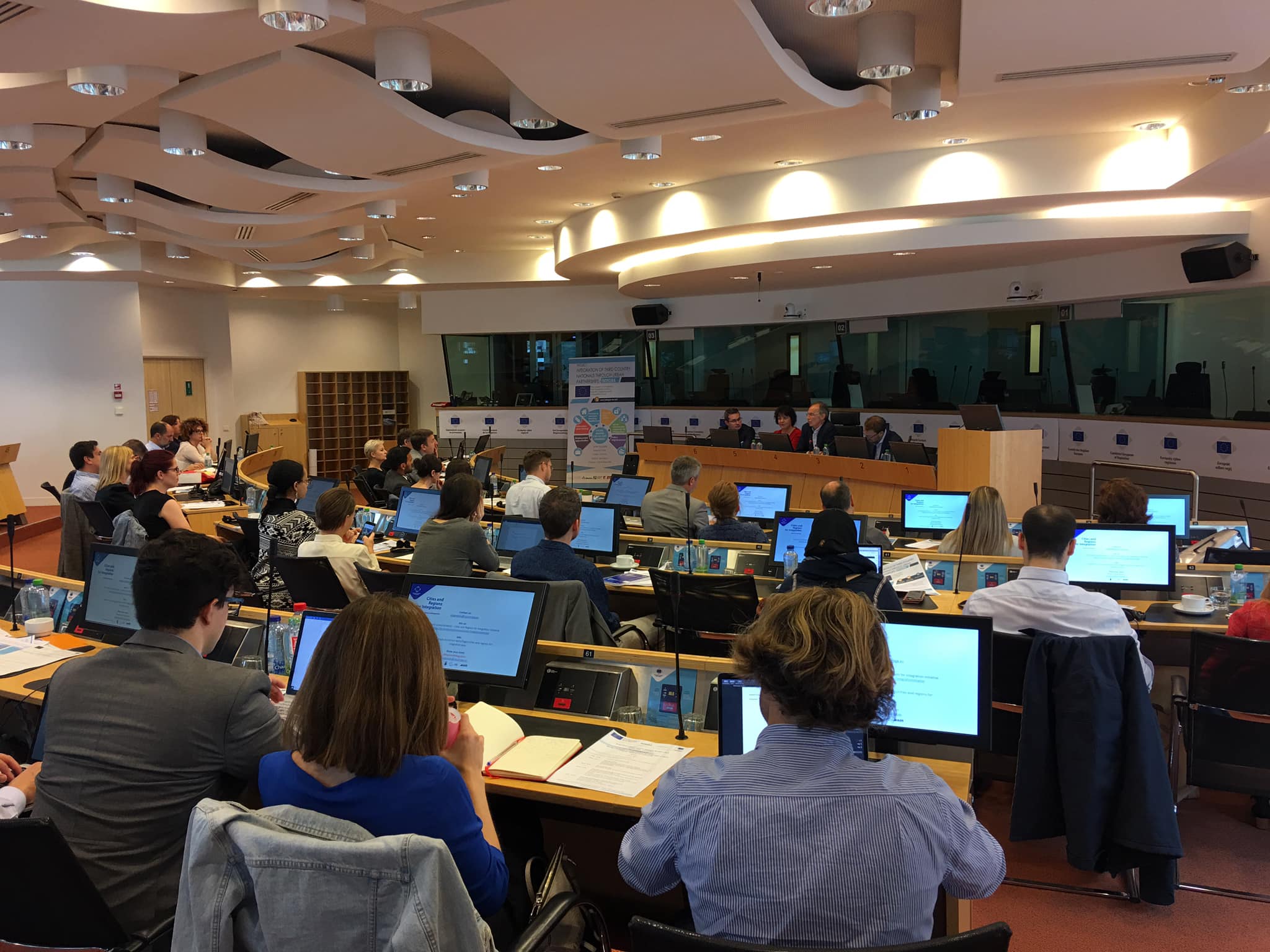
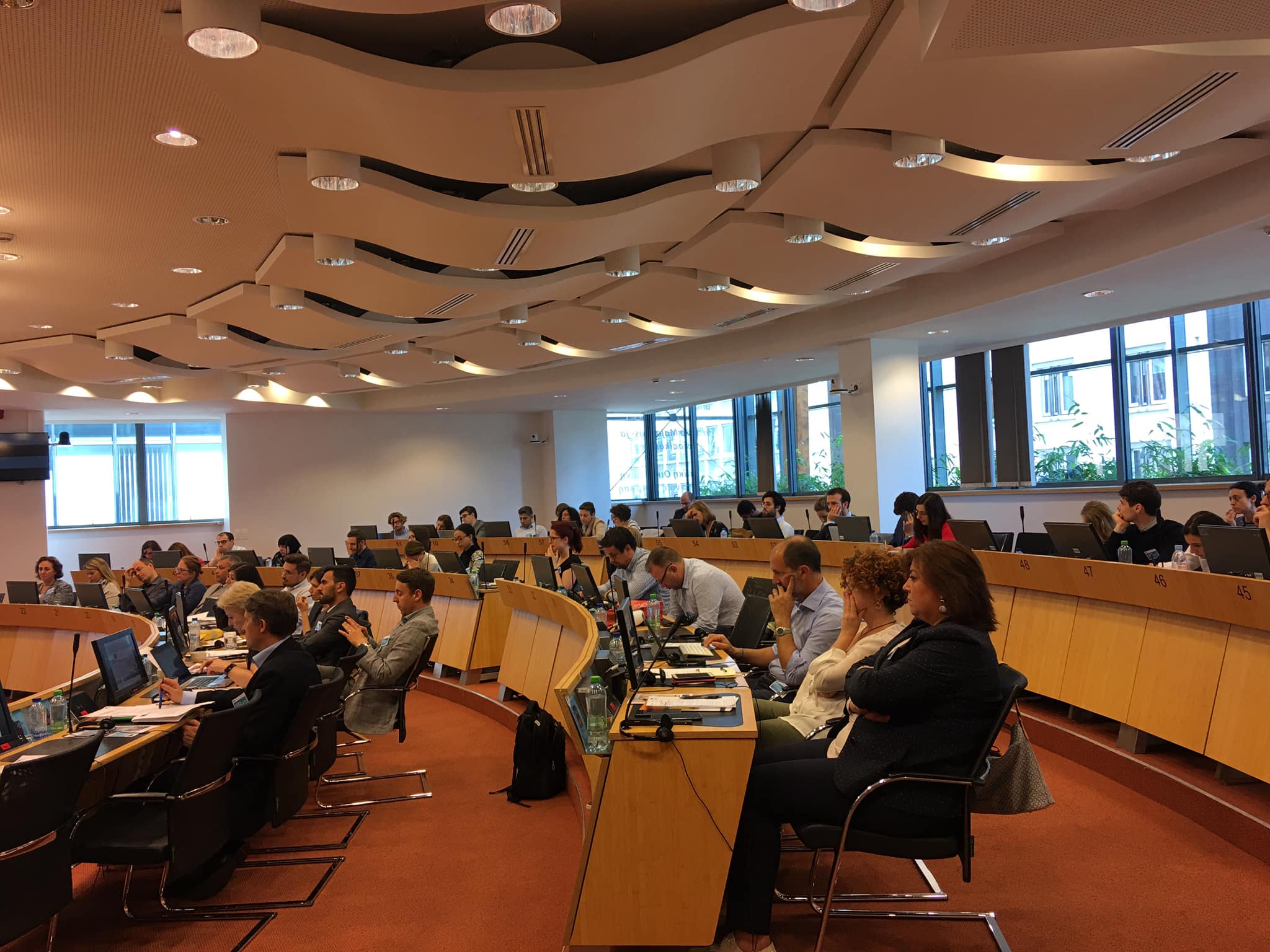
INTEGRA project had its Brussels premiere on June 11, 2019! A year and a half after the project launch we were ready to reflect on our experience, to propose policy recommendations for better TCN integration local, national and European policies, to share broadly the creative tools and information materials we have created.
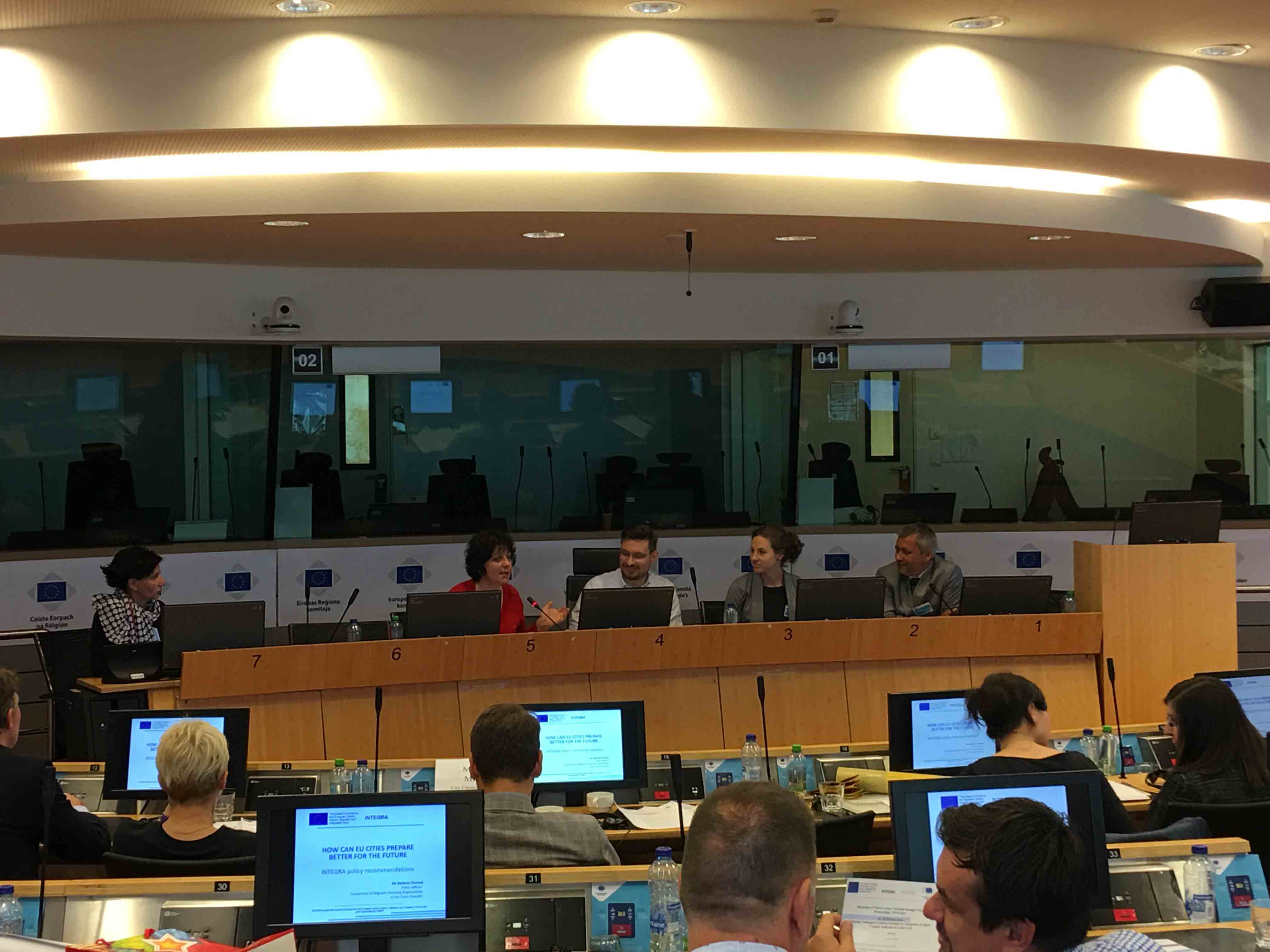
The policy briefing was hosted by the European Committee of the Regions. The project manager Sevdalina Voynova emphasized on the main strength of the project: broad citizen participation and co-creation of integration policies.
Botyo Botev, Sofia Municipal Councilor, shared that “We are proud Sofia is the lead partner of such a strong consortium. We believe that interregional learning and knowledge exchange are the best ways to improve policies.”
Laurent Thieule, Director of Directorate for Legislative Work at CoR, outlined the connection between INTEGRA and the new initiative of CoR’s President, entitled “Cities and Regions of Migration”, as both rely on integration models through city networks.
.
Laurent Aujean, Policy Officer at Legal Migration and Integration Unit of DG Home, pointed out as project added value its perspective of the local context and history. Central and Eastern Europe attract different types of migrants – from Ukraine, from the former Soviet countries – that require special measures of integration. He also expressed his appreciation of INTEGRA policy recommendations that go beyond the typical ones regarding access to the labour market.
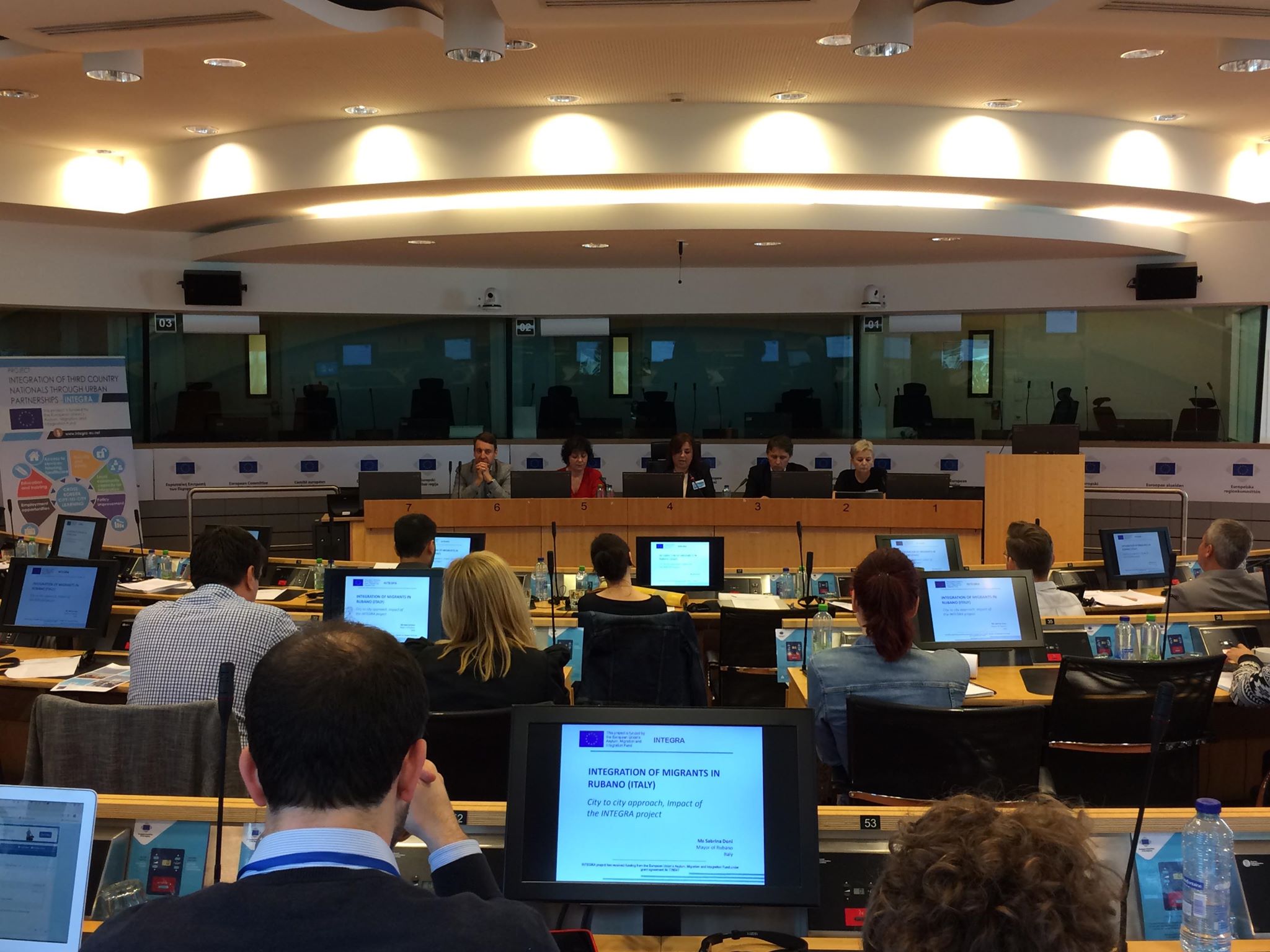
The just reelected mayor of Rubano (Italy), Sabrina Doni stressed the important role of INTEGRA for a small city with 6,000 inhabitants that has much less resources and access to knowledge networks. “We have made Europe, now we have to make Europeans”, she concluded.
The Prague local councilor Ondřej Mirovský shared that political leadership and will are key for countering nationalism.
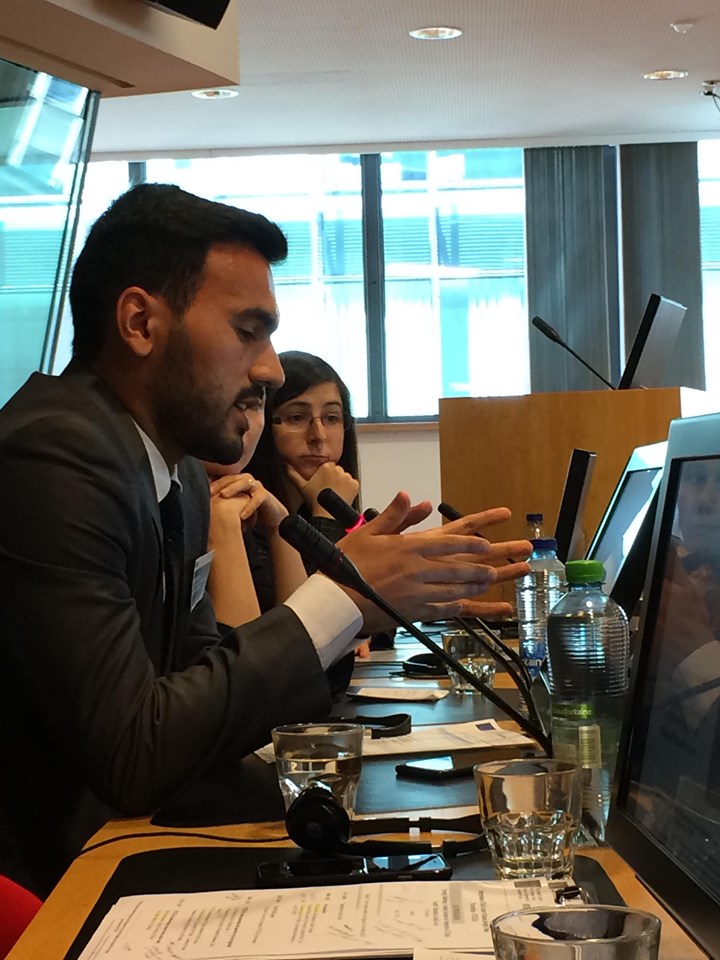
Mr Rayeiz Rahman, a migrant from Afghanistan settled in Košice, explained why he got involved in INTEGRA and what it means to people like him to have the chance to participate: “To have your voice heard, to be able to say that foreigners also live here, to influence positively other migrants”.
Other speakers included Štefan Daňo, Head of Strategic Development Department (Košice), Gordana Stojanović, Welfare Department (Osijek), Lenka Czikková, ETP Slovakia (Košice), Marina Kisyova de Geus, RiskMonitor (Sofia), Barbora Chrzová, Policy Officer, Consortium of Migrants Assisting Organizations in the Czech Republic, Svetoslav Nikolov, bTV Radio-Bulgaria, Luboš Kožíšek, Integration Center Prague.
.jpg)