As part of the project INTEGRA - Integration of Third-country Nationals Through Urban Partnerships, the Croatian partner Centre for Peace, nonviolence and human rights has represented an infographic about preserved parts of the old civilizations .
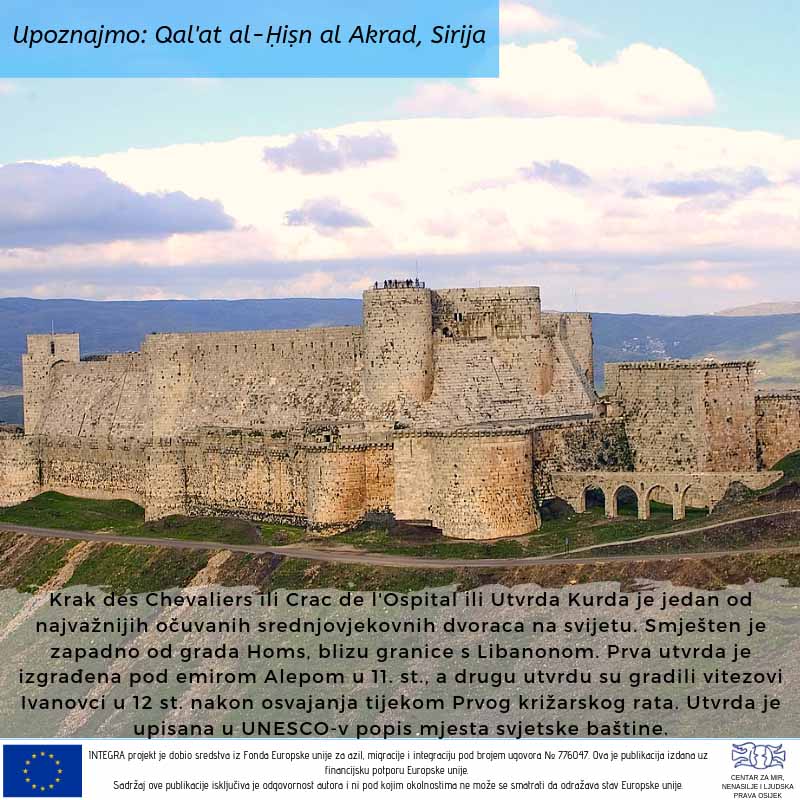
On May 17th Centre for Peace represented Qal´at al-Hish al Akrad located in Syria. Krak de Chevaliers or Crac de l´ Ospital or a Kurdish fort is one of the most important and most preserved medival castles in the world. It is located west from the city of Homs, near Lebanese border. The first castle was built under emir of Aleppo in 11th century and the other was built by the Johannites in 12th century, after conquering the First Crusade. The fort is enlisted on UNESCO list of World Heritage.
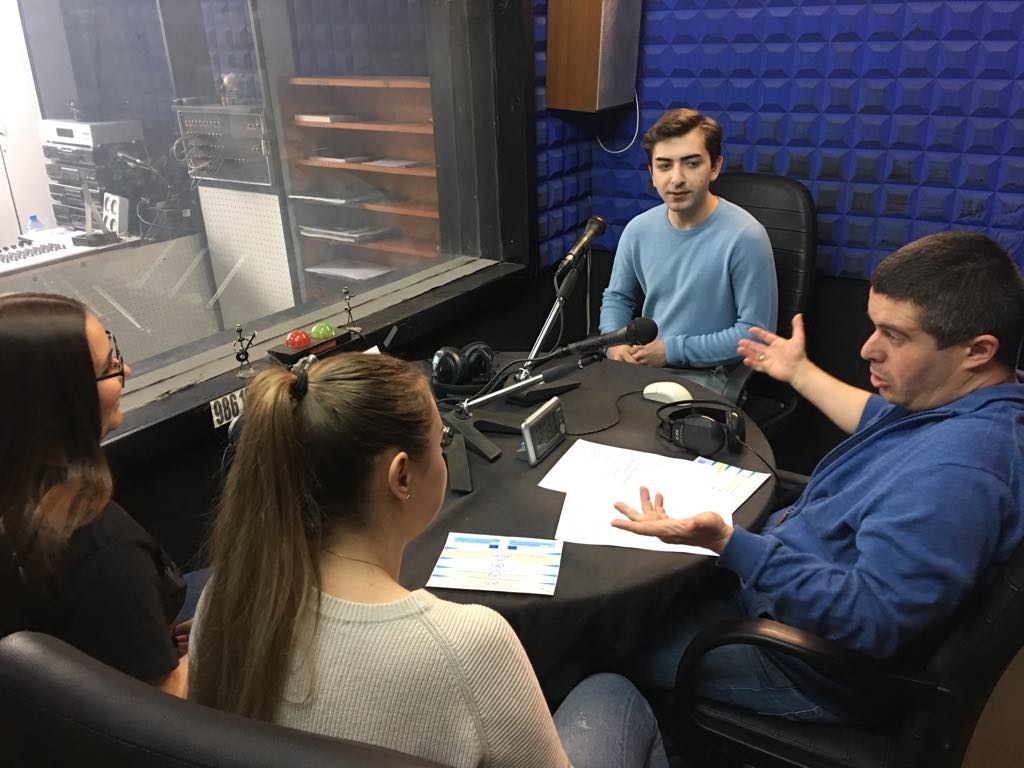
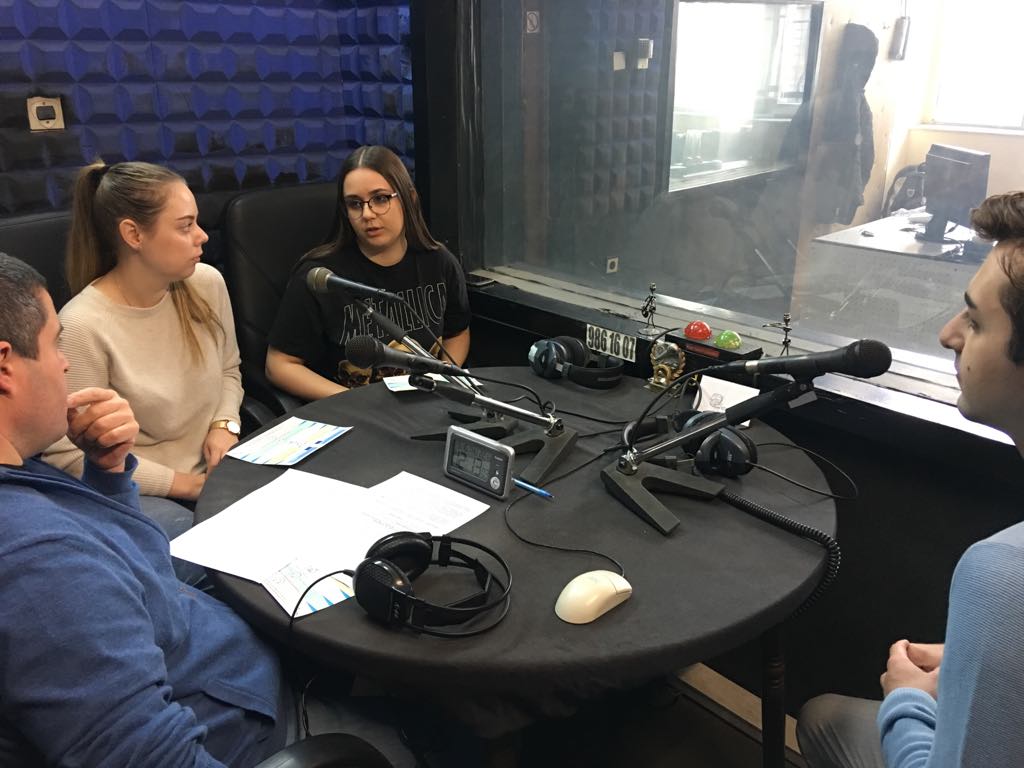
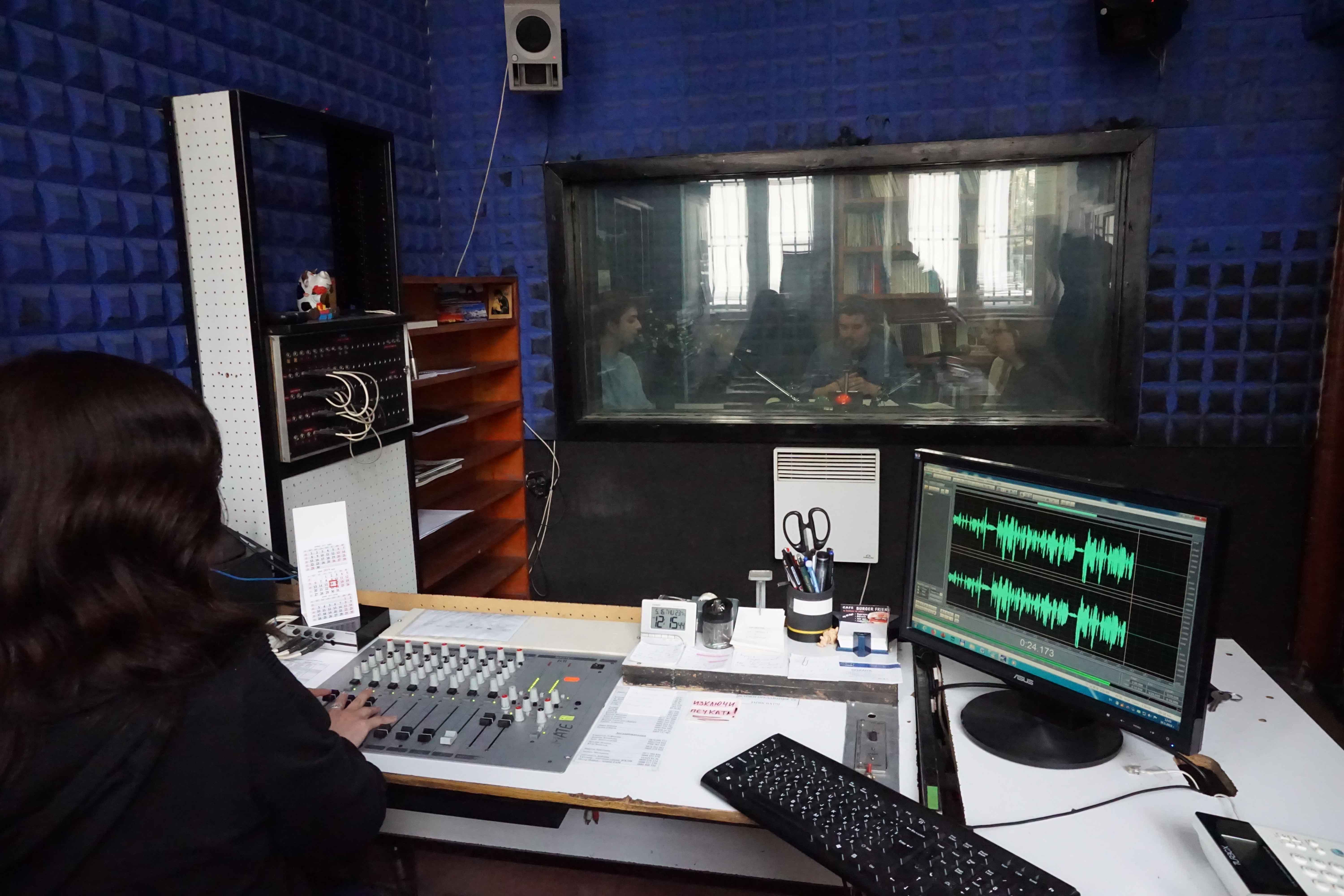
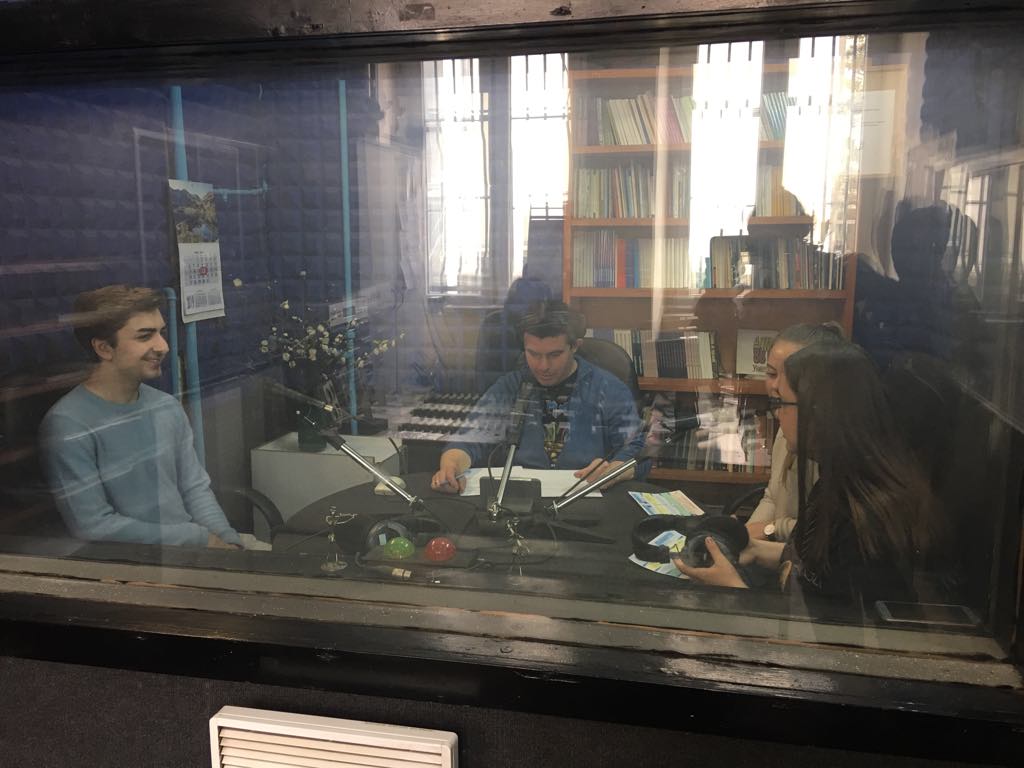
The first of the planned radio broadcasts was on the topic “Can Sofia offer third-country nationals competitive educational opportunities”? What does Sofia look like in the eyes of foreign students? Why would third-country nationals choose Bulgaria to study and grow professionally here? How can the city improve its integration policies to attract and retain more young talent? As part of the INTEGRA information campaign, on May 16, SDA organized a discussion on the air of Alma Mater Radio with students from North Macedonia, Ukraine and Serbia, currently enrolled in the Faculty of Journalism at Sofia University. They all agreed that Sofia offers affordable quality education compared to other universities in Western Europe or in the Balkan region. Another reason for their decision to come to Sofia are their historical family ties with Bulgaria. In addition to the praise, we also heard criticism: the lack of a well-functioning system to deal with administrative hurdles, such as residence permits, the need for more opportunities for learning Bulgarian language, because a good command of the language is also a major prerequisite for finding a good job after graduation.
While they see Sofia as their home and like the city’s cultural life, they have not always felt welcomed by the Bulgarian society. Even so, they believe that migrants and international students who have chosen Sofia as their place for personal and professional realization have something to give to the city: new culture, fresh outlook, and a desire to be part of a kindred-minded community. That’s why they find initiatives like INTEGRA very important as they provide information about what is being done in the city to make third country nationals feel at home, and also as an opportunity for young people to contribute and have their voices heard.
You can listen to the interview at 6 pm on Wednesday, May 22 on Alma Mater Sofia University radio. Please tune in next month for another broadcast and find out what it means to work as a third-country national in Sofia.